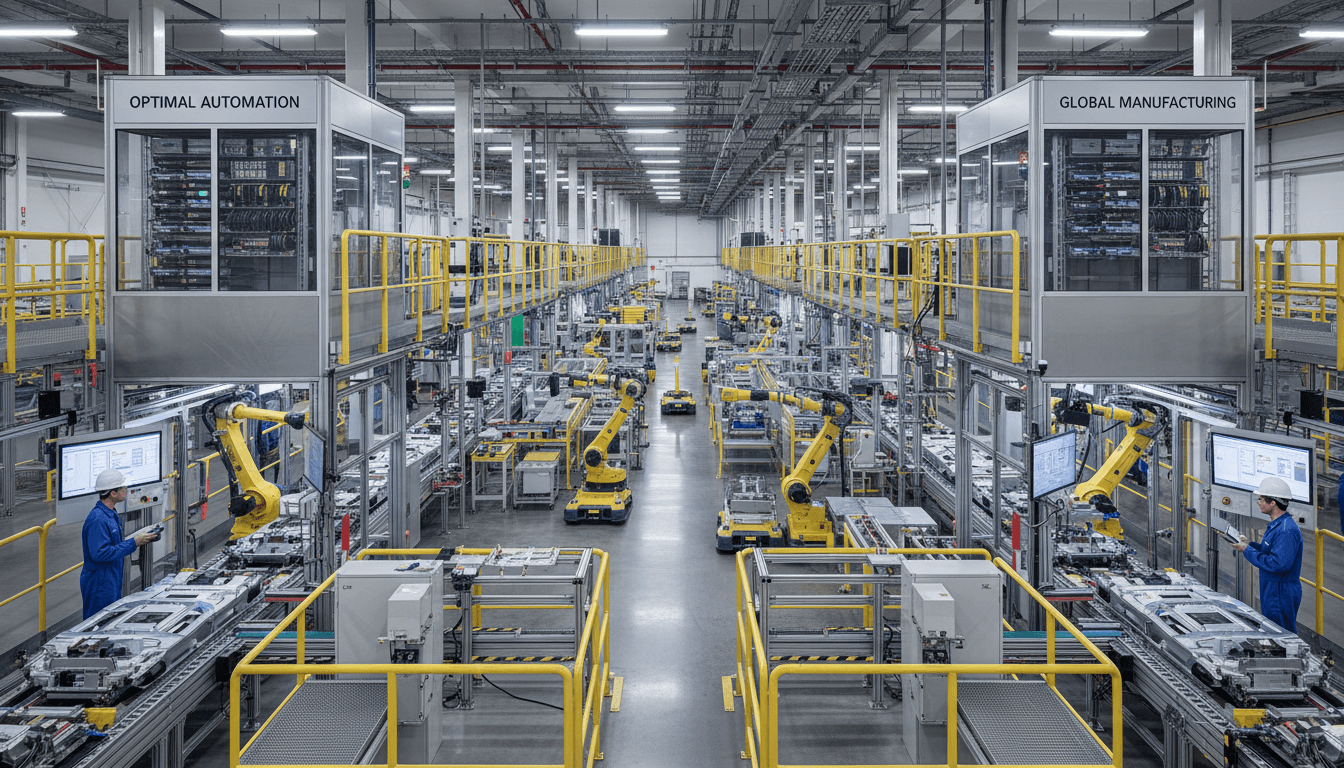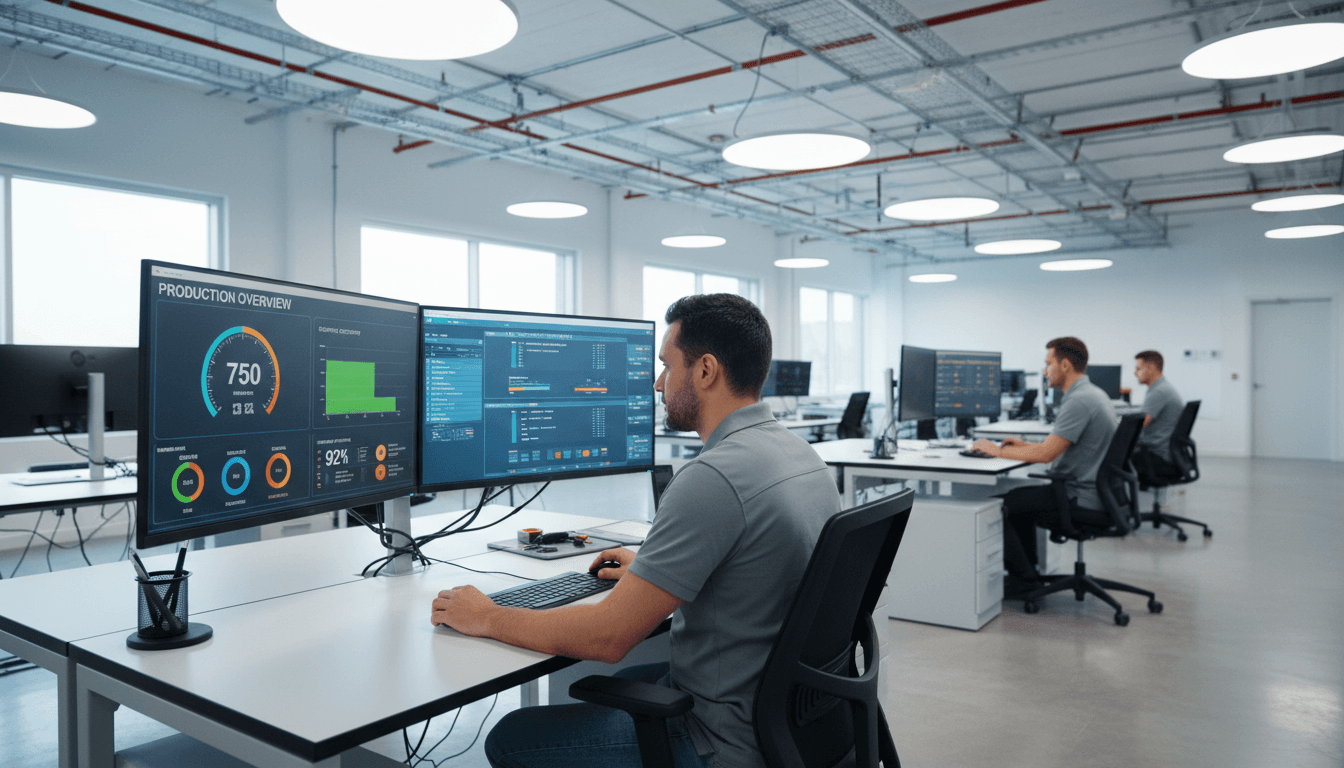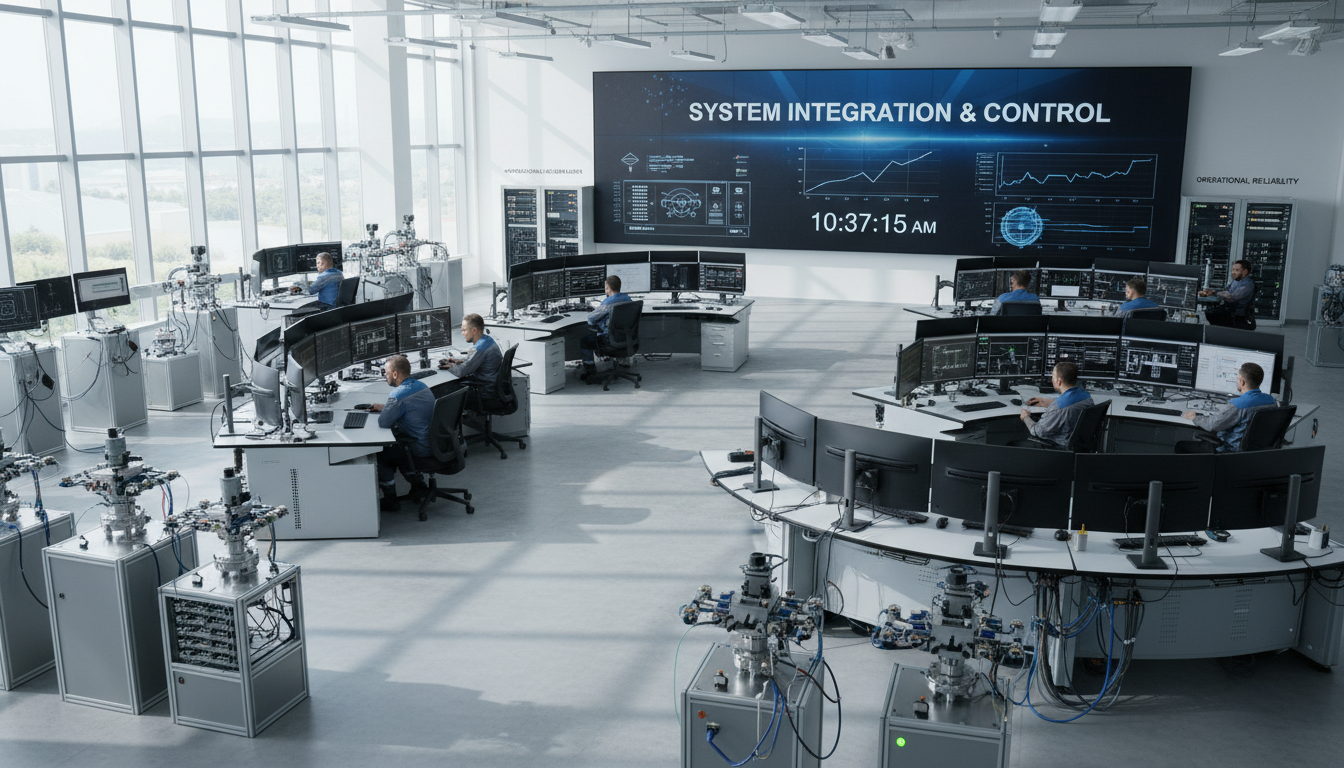
Real-time production monitoring for legacy equipment utilizes sensors and data collection software to track machine performance and output without replacing existing assets. By capturing live data through PLC interfaces and IoT devices, manufacturers gain immediate visibility into shop floor operations to improve efficiency and reduce downtime.
Running a shop floor with legacy equipment often feels like navigating a ship through thick fog. You know your machines are operational, yet the actual performance data remains trapped inside aging PLCs and manual logs until the shift is already over. This visibility gap creates hidden bottlenecks and unpredictable downtime that erode your margins; making it impossible to optimize production in real time. At Lebron Industrial Operations & AI, we believe your existing assets should work harder for you. This guide explores how to bridge that data gap by extracting actionable insights from your current machinery without the cost of a full equipment overhaul. You will learn the technical process for PLC data integration, the critical KPIs for modern dashboards, and the specific strategies manufacturers in the Tri-State area use to achieve measurable ROI through advanced production tracking systems.
Defining Real-Time Production Monitoring in the Legacy Machine Context
In many traditional manufacturing environments, production data is often a euphemism for historical records. When a facility relies on end of shift clipboards or manual spreadsheet entries, it is not truly monitoring production; it is performing an autopsy on the day's events. Real-time production monitoring shifts the paradigm from reactive observation to the automated, constant capture of machine data to provide an immediate view of performance, quality, and uptime.
For a facility that is not yet smart, this process involves digitizing signals that were previously dark. Legacy machines are rarely silent; they produce a wealth of electrical signals, such as contact closures, voltage fluctuations, or serial outputs, that simply go unrecorded. By establishing PLC to cloud bridges, we can intercept these signals and translate them into actionable metrics. This allows for machine usage and factory output tracking with sub-second or minute-by-minute granularity, a stark contrast to the lag inherent in manual reporting.
Implementing this level of industrial operations and AI infrastructure ensures that plant managers no longer have to wait for a morning meeting to understand yesterday’s bottlenecks. Instead, the data flows continuously from the hardware to the dashboard. This immediate visibility is the first step in a comprehensive legacy equipment IIoT strategy, turning isolated equipment into networked assets. By capturing these previously invisible data points, manufacturers can identify intermittent faults and micro-stoppages that manual logs almost always miss, providing a factual baseline for every machine on the floor.
The Visibility Gap: Why Manufacturers Struggle with Legacy Data
The "Black Box" problem is the primary obstacle to achieving real-time production monitoring. Older machines often lack modern communication ports, leaving plant managers with a fragmented, delayed view of their operations. Many facilities operate equipment that utilizes proprietary protocols or serial communications, such as RS-232, which cannot natively participate in a modern industrial network. This lack of connectivity forces a reliance on manual data entry, a process where human error and inconsistent reporting are almost guaranteed.
When manufacturers seek help, they are frequently met with the suggestion to "rip and replace." This advice ignores the reality of heavy industry, where the mechanical lifespan of a machine often outlasts its control system by decades. Replacing a perfectly functional, multimillion dollar hydraulic press simply because its controller lacks an Ethernet port is rarely the most efficient use of capital. The resulting frustration stems from knowing the machine is performing well but being unable to prove it or optimize it through data.
Lebron Industrial Operations & AI specializes in closing this visibility gap without the massive capital expenditure of a full equipment overhaul. We address the root cause of the data silo by architecting PLC to cloud bridges that translate disparate machine languages into standardized formats. This approach mitigates the hidden costs of downtime by providing immediate alerts before a minor issue escalates. By establishing a robust legacy equipment IIoT strategy, we turn the shop floor from a collection of isolated islands into a unified industrial operations and AI infrastructure, ensuring that data remains accurate and actionable.
How to Extract Data from Existing PLCs Without Replacing Machines
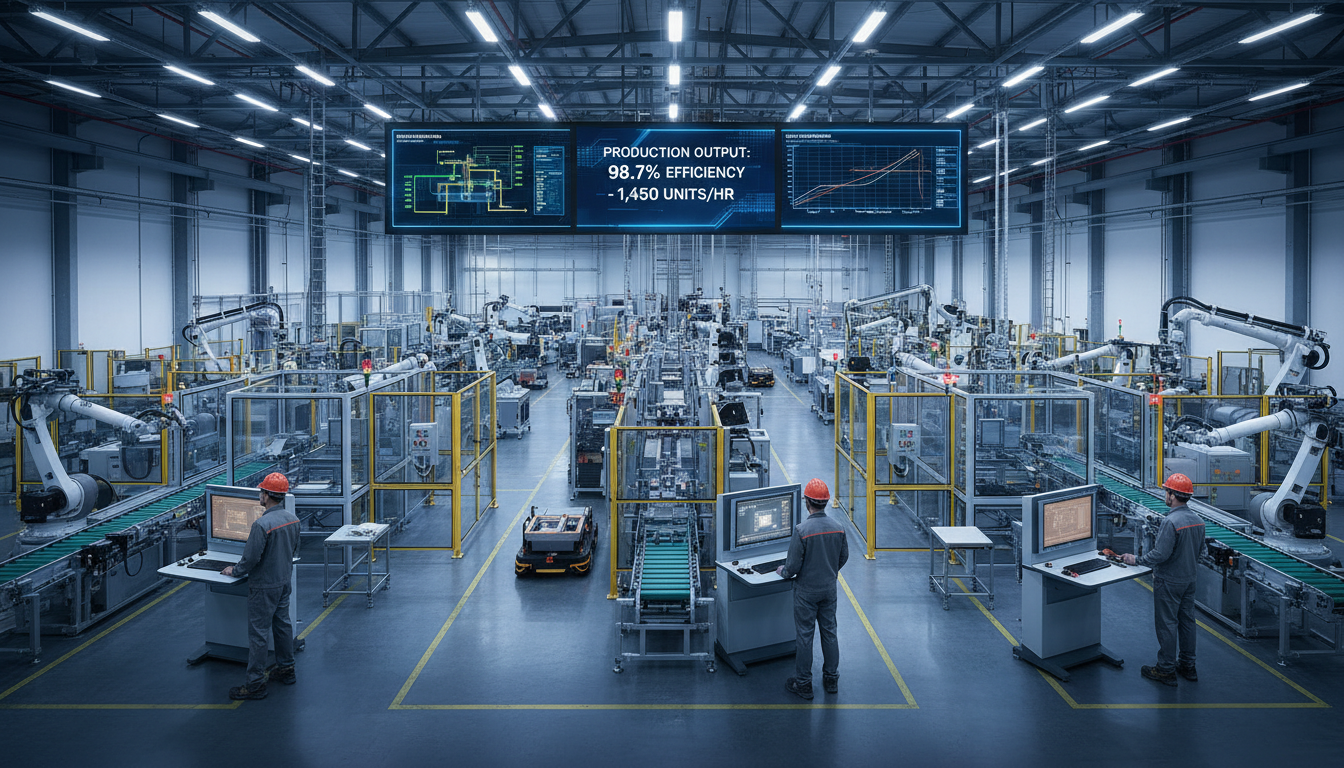
Extracting data from existing Programmable Logic Controllers (PLCs) relies on the principle of non-invasive integration. Most legacy systems, even those decades old, utilize standardized communication protocols internally; the technical challenge lies in translating these industrial languages into a format that modern IT infrastructure can digest. This is where PLC to cloud bridges become essential for modernizing a facility.
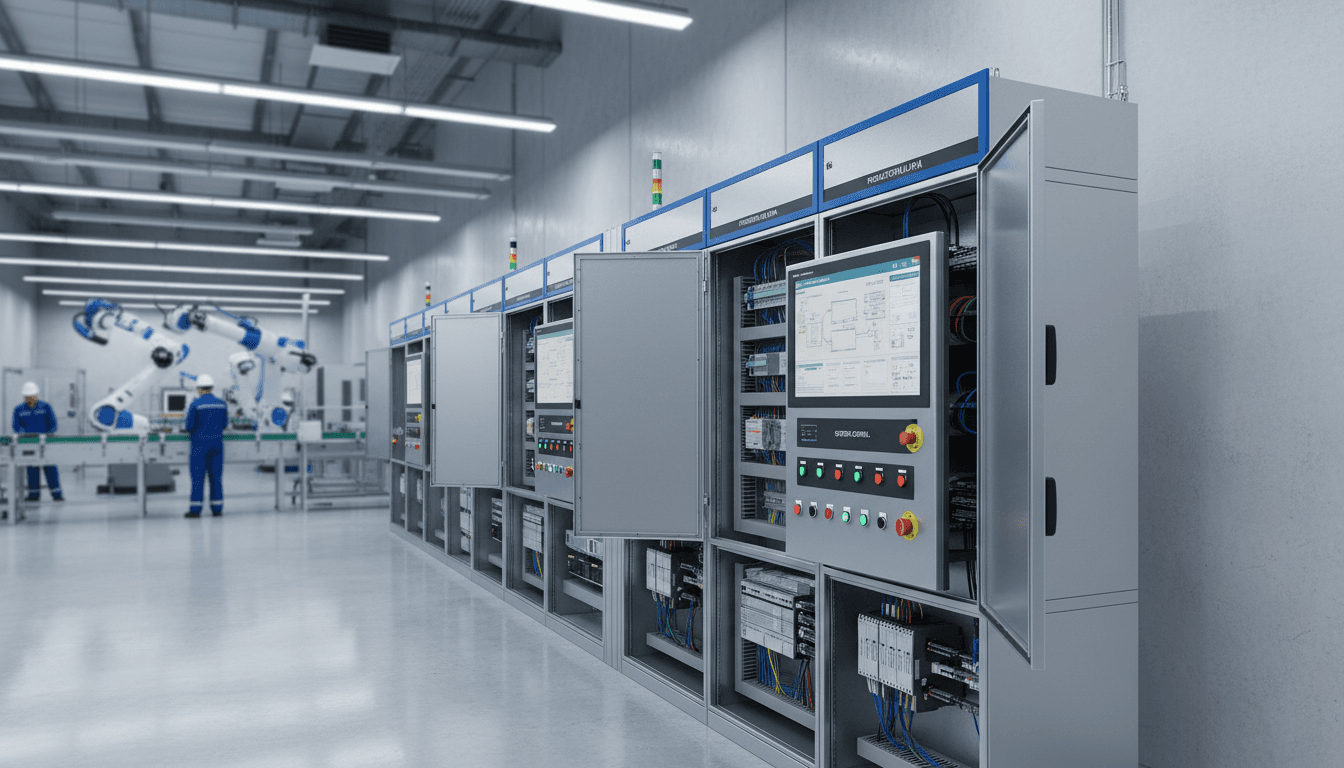
The architecture of a successful industrial operations and AI infrastructure typically follows a three tier structure designed for reliability and security. At the machine level, we interface directly with the PLC using its native protocol, such as Modbus TCP, EtherNet/IP, or Profinet. If the controller lacks a network port, we utilize serial converters to pull data from legacy RS-232 or RS-485 interfaces. This raw data is then fed into a localized gateway, which is often an industrial edge computer or a hardened IoT device mounted within the control cabinet.
The gateway serves as the translator in the stack. It performs protocol conversion, taking the specific register values from the PLC and converting them into MQTT (Message Queuing Telemetry Transport) or JSON payloads. MQTT is particularly effective for real-time production monitoring because it is lightweight and designed for industrial environments where network bandwidth might be limited, ensuring data integrity even during periods of high network traffic.
In cases where the existing PLC logic does not capture specific environmental or performance variables, we complement the system by adding external sensors. These sensors connect to secondary I/O modules that feed directly into the same edge gateway. This allows a manufacturer to track motor vibration, ambient humidity, or precise power consumption alongside the standard cycle counts and alarm states provided by the PLC. This hybrid approach is a cornerstone of a legacy equipment IIoT strategy, ensuring that no critical metric is ignored simply because the original machine designers did not account for it.
Component | Function | Typical Protocol/Hardware |
|---|---|---|
Machine Layer | Data Source | PLC (Allen-Bradley, Siemens, Mitsubishi) |
Edge Gateway | Protocol Translation | Industrial PC, MQTT Broker, Node-RED |
Presentation Layer | Visualization | PowerBI, Grafana, On-site HMI Dashboards |
By establishing this pipeline, data flows seamlessly from the physical hardware to a centralized dashboard. This centralized view eliminates the need for manual polling and provides the necessary foundation for advanced analytics without the prohibitive cost of a full controller upgrade.
Essential KPIs for a Modern Shop Floor Dashboard
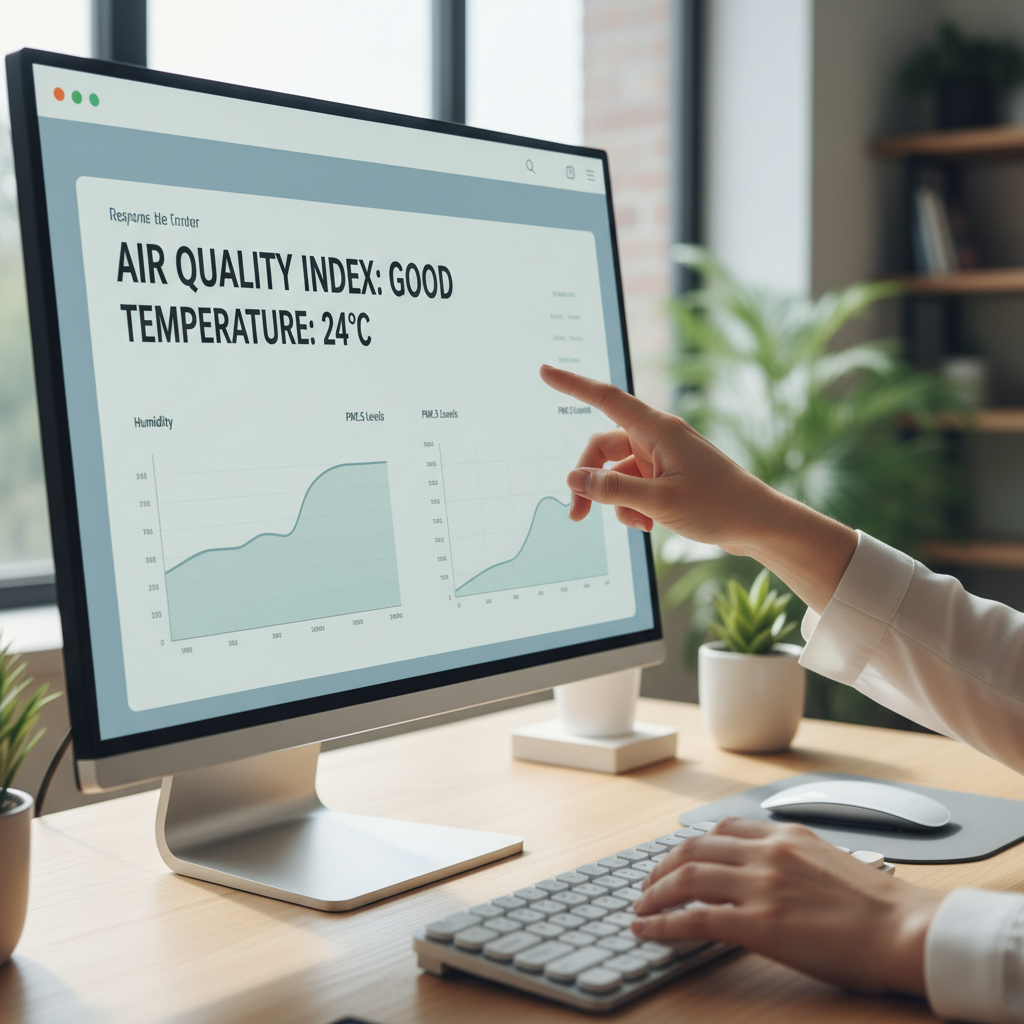
Once the physical PLC to cloud bridges are established, the focus shifts from data acquisition to actionable interpretation. A shop floor dashboard is not a repository for raw numbers; it is a diagnostic tool designed for immediate decision making. To be effective, these visualizations must adhere to the 5 second rule: a plant manager or operator should be able to glance at a screen and know instantly if the line is healthy, lagging, or critical. This is achieved through high contrast status indicators and a hierarchy of information that prioritizes the current state over historical trends.
The foundation of real-time production monitoring lies in a few critical metrics that provide a comprehensive view of the facility's health.
Key Performance Indicator | Definition | Strategic Utility |
|---|---|---|
OEE (Overall Equipment Effectiveness) | Availability x Performance x Quality | Measures how well a machine performs relative to its full potential. |
Cycle Time | The time required to complete one part or process | Detects gradual performance degradation before it causes a failure. |
Downtime Reasons | Categorized logs of machine stoppages | Identifies if losses are due to mechanical failure, setup, or material shortages. |
Part Counts | Real-time output vs. shift targets | Provides immediate feedback on whether production is meeting the schedule. |
Beyond individual machine stats, a modern industrial operations and AI infrastructure utilizes specialized dashboard types to manage flow. Downtime Tracking dashboards allow teams to perform Pareto analysis on the fly, focusing maintenance efforts on the 20 percent of issues causing 80 percent of the delays. By categorizing stops, managers can distinguish between planned changeovers and unplanned mechanical failures, which is essential for accurate capacity planning.
Simultaneously, Work-in-Progress (WIP) visualizations track the movement of materials between stages. This prevents bottlenecks where one high speed machine overproduces while a downstream station is starved for parts. By surfacing these KPIs, a legacy equipment IIoT strategy moves beyond simple monitoring and becomes a proactive management system that optimizes the entire value stream.
The ROI of Real-Time Production Monitoring Software and Systems
Quantifying the financial impact of these metrics is the final step in justifying a legacy equipment IIoT strategy. Real-time production monitoring uncovers the hidden factory, where micro-stoppages of thirty to sixty seconds, often ignored in manual logs, aggregate into hours of lost production capacity every week. By identifying these patterns, facilities can adjust maintenance schedules or operator training to reclaim that lost time. This data directly impacts labor efficiency, as staff spend less time troubleshooting unknown causes and more time on high value output.
Beyond uptime, the cost savings extend to material and utility overhead. High resolution data allows for the correlation of machine parameters with scrap rates. If a specific voltage drop or temperature spike consistently precedes a defective part, the system can alert operators to intervene before an entire batch is ruined. Furthermore, optimizing energy usage becomes possible when you can map kilowatt hours to specific production cycles rather than viewing a monthly utility bill as an unchangeable fixed cost.
This visibility is the necessary prerequisite for more sophisticated industrial operations and AI infrastructure. You cannot build a predictive model without high quality, granular historical data. By establishing PLC to cloud bridges, a facility creates the dataset required for future AI-driven predictive maintenance, moving from reactive repairs to proactive interventions. This technical maturity ensures on-time delivery by minimizing the risk of catastrophic, unforeseen machine failures that derail production schedules.
Implementing Production Tracking in Parsippany and the Tri-State Area
Manufacturing in the Tri-State area faces a distinct set of pressures. In the industrial corridors surrounding Parsippany and across Northern New Jersey, facilities often operate within a footprint of older infrastructure where space is at a premium and machinery has been in service for thirty years or more. Staying competitive against global markets requires these local plants to extract maximum value from every square foot. Real-time production monitoring is the mechanism that allows a 1990s era shop floor to compete with modern, automated facilities abroad by eliminating the waste of manual oversight.
The grit of legacy machinery is a reality for Northeast manufacturers, but it does not have to be a barrier to digital transformation. Lebron Industrial Operations & AI provides a localized approach to industrial operations and AI infrastructure, bridging the physical constraints of New Jersey’s industrial heritage with the speed of modern B2B software automation. Because we are based in Parsippany, we understand the specific technical procurement challenges and the need for rapid deployment that minimizes floor disruptions. We provide on-site audits to identify exactly where a machine's logic can be tapped to feed a larger enterprise data pipeline.
Our implementation process focuses on creating PLC to cloud bridges that respect the existing hardware while enabling advanced data flows. This local partnership ensures that your legacy equipment IIoT strategy is grounded in the physical reality of your shop floor. By digitizing existing assets, Tri-State manufacturers can transform their operations into highly visible, data driven environments that maintain the regional standard for industrial excellence while embracing the efficiency of global automation standards.
Bringing modern visibility to legacy equipment transforms shop floor efficiency. By integrating smart sensors and data analytics, you turn isolated machines into connected assets. This transition can feel overwhelming; however, you do not have to navigate the technical complexities alone. If you want expert help optimizing your specific operations, you can read more on our About page to see how our team approaches industrial AI. We are here to guide your digital transformation.