An industrial iot data platform is a centralized software system that connects, monitors, and analyzes performance data from factory equipment to improve operational efficiency. Organizations can build these systems without replacing legacy machines by retrofitting existing hardware with sensors and edge gateways that bridge the gap between old mechanical components and modern digital analytics.
Most manufacturers feel trapped by the perceived necessity of a total hardware overhaul to achieve digital maturity. You are likely sitting on decades of institutional knowledge locked inside disparate PLCs and legacy sensors; however, your current visibility into floor performance remains fragmented. This operational lag creates a significant competitive disadvantage, but the solution is not a multi-million dollar capital expenditure for new machines. Instead, the focus must shift toward building a robust industrial data architecture that integrates existing brownfield assets into a unified stream. In this guide, we will define the technical requirements of an industrial IoT data platform that bridges the gap between the shop floor and the cloud. You will learn how to design a scalable pipeline, capture high-fidelity data from aging equipment, and implement predictive maintenance strategies without discarding your current investments.
Defining the Industrial IoT Data Platform: More Than Just Software
An industrial iot data platform is not merely a piece of software you install on a server; it is a cohesive systems architecture designed to function as the technical glue between shop floor Operational Technology (OT) and enterprise Information Technology (IT). While consumer IoT platforms manage smart lightbulbs or thermostats over standard Wi-Fi, an industrial platform must operate within ruggedized environments where reliability is non-negotiable. It handles high-frequency data streams and understands deterministic industrial protocols such as OPC UA, Modbus, and EtherNet/IP, which are fundamentally different from the lightweight protocols used in home automation.
At Lebron Industrial Operations & AI, a Parsippany-Troy Hills based industrial automation provider, we view this platform as a strategic bridge. This bridge facilitates the bidirectional flow of information, taking raw data from a Programmable Logic Controller (PLC) and transforming it into a structured format suitable for enterprise industrial operations and AI infrastructure. Without this architectural foundation, data remains siloed in individual machines, inaccessible to the modern analytics tools required for global performance optimization.
Building this infrastructure requires specialized technical procurement services to select the right edge gateways and middleware. These components must ensure that sub-millisecond telemetry from a CNC machine or a high-speed bottling line can be ingested, filtered, and contextualized before it ever reaches the cloud. This architecture ensures that the transition from a physical mechanical action to an actionable AI workflow is seamless, secure, and resilient against the network instabilities common in industrial settings.
The Brownfield Challenge: Why You Do Not Need to Replace Legacy Machinery
A common misconception in the manufacturing sector is that adopting an industrial iot data platform requires a total capital equipment overhaul. Many operations managers in the Parsippany-Troy Hills area and the wider New Jersey industrial corridor fear that their existing assets are too old to participate in modern digital workflows. The reality is that most industrial sites are "brownfield" environments, where machines were built to last 20 to 30 years. Replacing a mechanically sound assembly line or CNC machine simply because it lacks native cloud connectivity is rarely a viable or necessary financial decision.
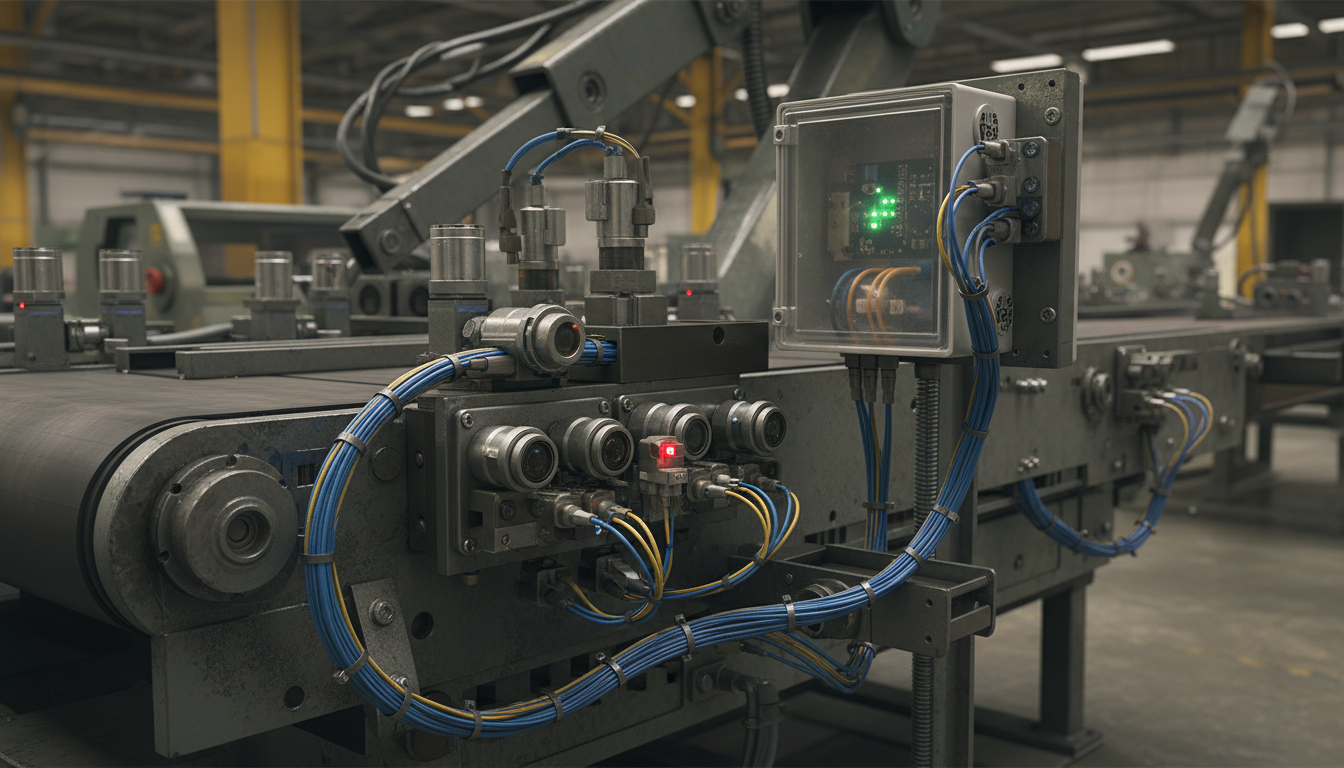
Legacy equipment often relies on deterministic protocols such as Modbus RTU, Profibus, or CC-Link. While these protocols do not speak the language of the cloud, they are rich with telemetry that can be unlocked through retrofitting. By utilizing specialized technical procurement services, firms can identify edge gateways designed to act as translators. These gateways connect directly to existing PLC communication ports, extracting raw register data and converting it into a format the enterprise environment can ingest. This process preserves the lifespan of your heavy machinery while bridging the gap to modern analytics.
Retrofitting is not just about translation; it involves edge preprocessing to ensure data quality. An effective industrial automation provider configures these gateways to perform data filtering, aggregation, and encryption before any information leaves the shop floor. This ensures that your network is not overwhelmed by high-frequency noise and that your industrial operations and AI infrastructure receives clean, actionable data. By focusing on protocol translation and edge intelligence, you can transform a 20 year old legacy machine into a vital component of a high performance data pipeline without the cost of a full rip and replace strategy.
Key Components of a PLC to Cloud Data Pipeline

A robust PLC to cloud pipeline is built on three distinct layers that ensure data integrity from the physical machine to the final dashboard. As an industrial automation provider, Lebron Industrial Operations & AI prioritizes a secure-by-design approach within these layers to protect proprietary manufacturing secrets while maintaining high-fidelity telemetry.
The first layer is the Edge. This is where physical gateways and protocol converters reside. These devices act as the local brain, physically wired to PLC communication ports to ingest raw register data from protocols like Modbus TCP or EtherNet/IP. Beyond simple translation, we configure these edge devices to perform local processing. By filtering out jitter or insignificant fluctuations at the source, we ensure the industrial iot data platform receives only high-quality, contextualized signals, which effectively reduces unnecessary cloud egress costs and storage bloat.
The second layer is the Transport Layer, which functions as the nervous system of the architecture. We utilize secure MQTT (Message Queuing Telemetry Transport) or the Sparkplug B specification for data streaming. Unlike traditional polling methods that tax network bandwidth, MQTT uses a publish-subscribe model that is exceptionally lightweight. To prevent data loss during the intermittent network outages common in industrial settings, we implement store-and-forward logic. If the connection to the primary broker is lost, the edge gateway buffers the data locally and flushes it to the cloud once connectivity is restored, ensuring there are no gaps in your historical record for compliance or AI training.
The third layer is the Analytics Layer. This is the final destination where data is structured within a time-series database and integrated into your industrial operations and AI infrastructure. Here, the raw telemetry is transformed into actionable intelligence. By using technical procurement services to select the right cloud-native tools, we ensure this layer is capable of feeding predictive algorithms or real-time visualization engines. Security is maintained through end-to-end TLS encryption and outbound-only communication. This ensures the industrial site remains invisible to the public internet, significantly reducing the attack surface for cyber threats while providing the enterprise with the transparency it requires.
Step by Step: Building Your Industrial IoT Data Platform Strategy
Moving from theoretical architecture to a functional industrial iot data platform requires a disciplined, four step execution strategy. This process ensures that your legacy assets are not just connected, but are delivering high-quality, structured data that is ready for enterprise analysis.
Audit Physical and Logical Communications: Begin by documenting the specific PLC makes, models, and communication protocols present on your floor. You must identify whether a machine communicates via Modbus RTU over RS-485, EtherNet/IP, or a proprietary serial protocol. Map out available physical ports and determine if you have access to the original memory maps or tag lists, as this determines how easily data can be extracted.
Execute Technical Procurement for Edge Hardware: Use specialized technical procurement services to select gateways that natively support your discovered protocol stack. The objective is to find hardware that offers high MTBF (Mean Time Between Failures) and provides local processing power. Selecting devices with built-in drivers for legacy equipment avoids the need for custom middleware, which reduces the long-term maintenance burden of your data pipeline.
Deploy a Centralized MQTT Broker: Implement a broker to act as the primary message bus for your industrial iot data platform. By utilizing a publish-subscribe model, you decouple your data sources from your data consumers. This allows a single PLC signal to be consumed simultaneously by a local HMI, a historical database, and a cloud-based AI model without increasing the load on the PLC’s processor.
Establish a Unified Namespace (UNS): Transform raw register data into a human-readable, hierarchical structure. A tag labeled "N7:10" has no context for an AI model; it must be mapped to a path such as `Site/Area/Line/Machine/Bearing_Temperature`. This semantic layer is the foundation of modern industrial operations and AI infrastructure, ensuring that any new analytical tool can instantly understand the context of the incoming data stream. As a dedicated industrial automation provider, we find that this structural step is what ultimately separates a messy data lake from a high-performance operational tool.
Industrial IoT Examples: Uptime Analytics and Predictive Maintenance
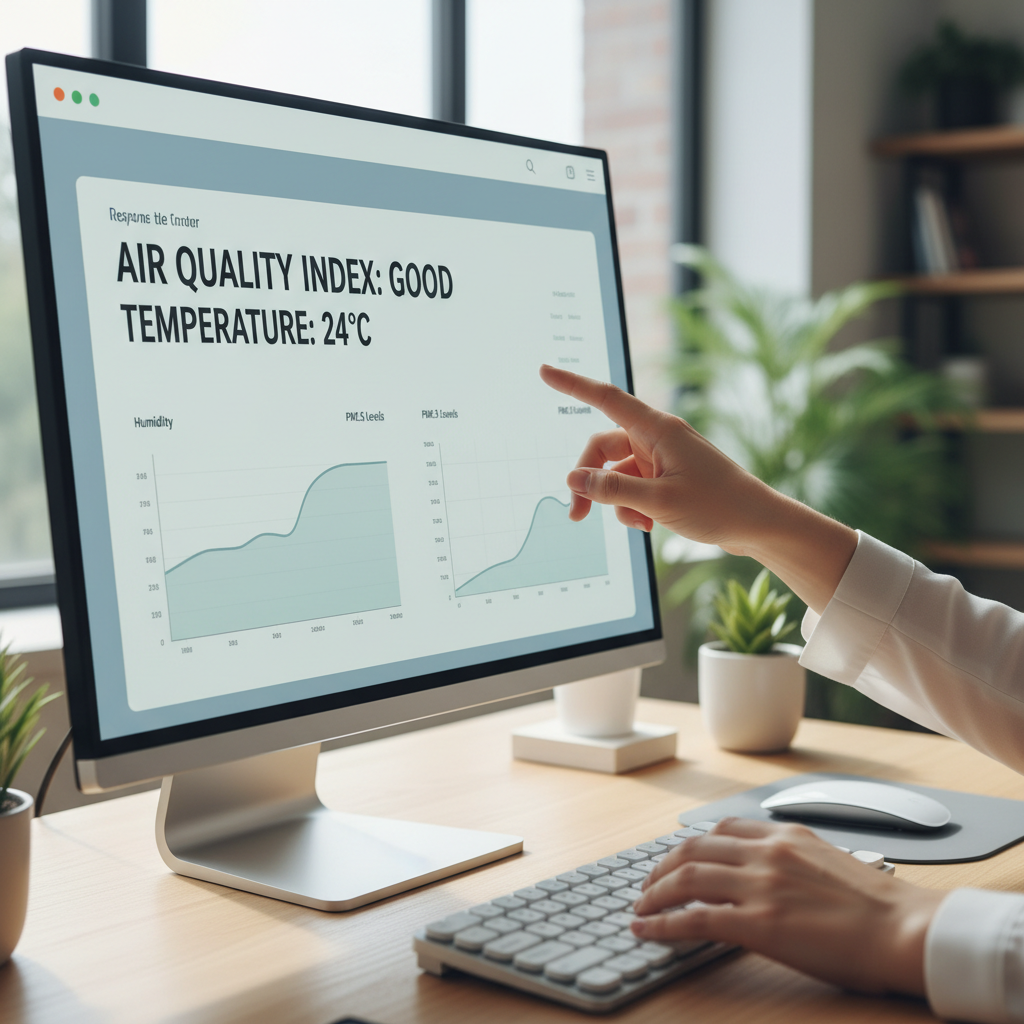
The ultimate value of a robust industrial iot data platform lies in its ability to convert dormant machine signals into financial performance. Consider a hypothetical bottling facility in North Jersey running legacy fillers. By engaging an industrial automation provider to architect a real-time data stream, the plant moves from manual OEE reporting to live dashboards. Instead of discovering at the end of a shift that a labeler caused two hours of cumulative micro-stops, the system alerts operators to throughput drops the moment they occur. This immediate visibility allows for tactical adjustments that directly protect the bottom line.
Beyond simple tracking, this architecture enables predictive maintenance. By streaming high-frequency vibration and temperature data from a primary drive motor into your industrial operations and AI infrastructure, machine learning models can identify the specific harmonic signatures of a failing bearing weeks before a catastrophic seizure. This shift from reactive repair to scheduled intervention prevents the costly, unscheduled downtime that often plagues older lines. Utilizing specialized technical procurement services to select high-resolution sensors ensures that these subtle anomalies are captured accurately. This transformation changes the maintenance department from a cost center responding to emergencies into a data-driven team focused on maximizing asset longevity and total output.
The Difference Between IoT and IIoT Platforms
Understanding the distinction between standard IoT and an industrial iot data platform is a matter of operational risk management. In the consumer world, a platform failure might mean a smart thermostat loses its schedule or a connected lightbulb remains off. In a manufacturing environment, the consequences are far more severe. A failure in the data pipeline can halt a multi-million dollar production line, result in significant scrap material, or even create immediate safety hazards for personnel on the factory floor.
True IIoT platforms prioritize deterministic communication, meaning the timing and reliability of data delivery are guaranteed and predictable. As an industrial automation provider, we emphasize that IIoT must withstand electromagnetic interference and temperature extremes that would quickly destroy consumer-grade hardware. Security is another major differentiator. While consumer devices often have permeable security perimeters, industrial systems require air-gapped architectures or rigorous outbound-only communication to protect the core industrial operations and AI infrastructure.
Properly executed technical procurement services ensure that gateways and middleware meet industrial standards for redundancy and long-term support. A consumer platform is built for convenience, but an industrial platform is built for resilience. It ensures that critical telemetry reaches the cloud without interruption, maintaining the high-availability standards required for global industrial performance and complex analytics.
Building a robust Industrial IoT data platform is ultimately about visibility rather than replacement. You can leverage your existing machines to drive modern insights, which allows for smarter operations without the cost of new hardware. If you want expert help designing or implementing these systems, learn more about our mission and how we support industrial teams. Transitioning to an AI-driven environment is a significant step, and having the right technical partner can ensure your infrastructure remains both scalable and secure.